

Best Spanish Learning Programs for Adults in 2026: The Buyer's Shortlist

Reviewed against our editorial standards
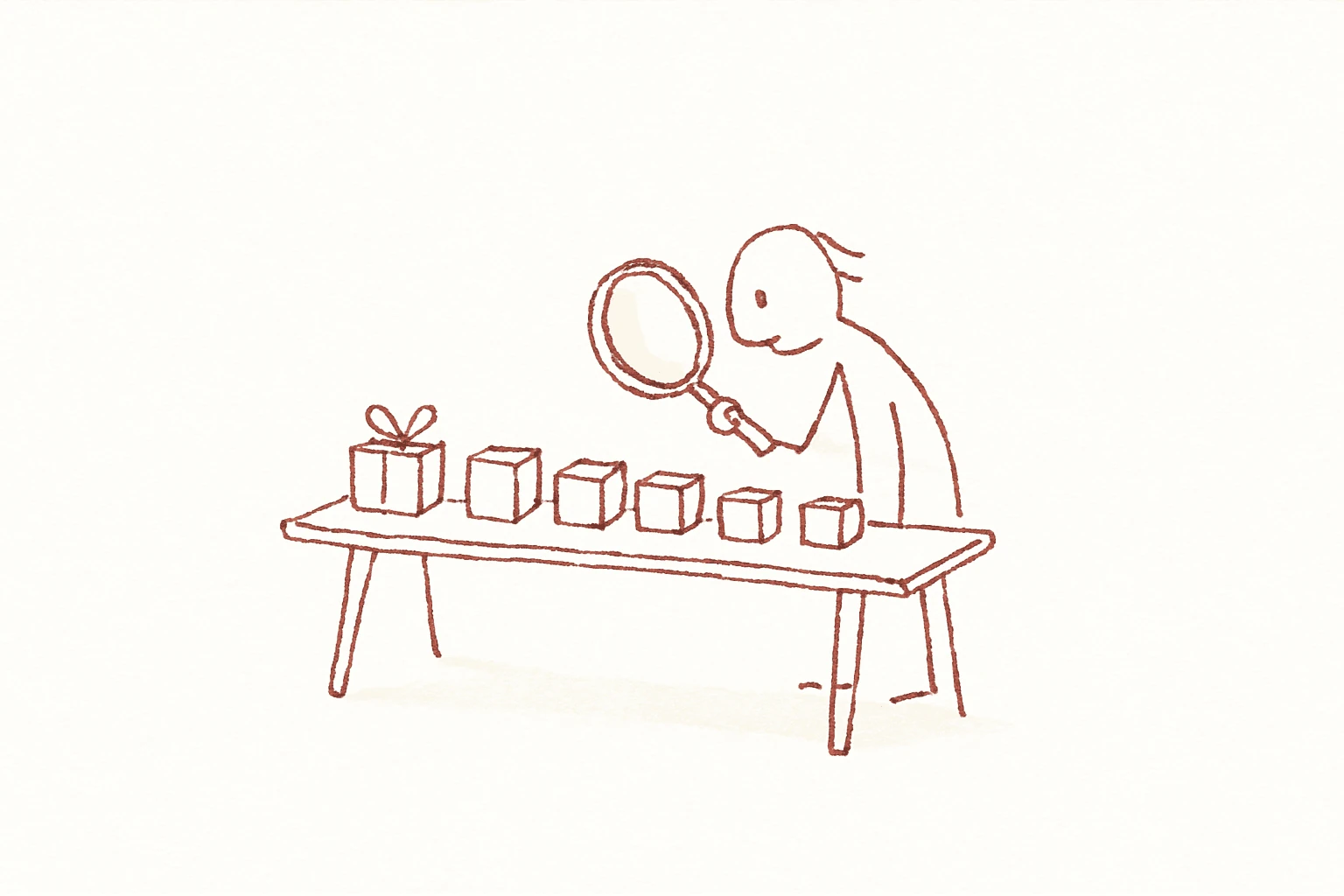
The best Spanish learning program in 2026 depends on one question: can you follow Spanish when people actually talk? If you're past the very first basics (A2 and up) and lose real conversations, our #1 is Spanish with Alejandra: two dialogues a week at native and slow speed, with transcripts, notes and a monthly test. Below are five programs built around listening, each with a different "best for", prices checked on 14 October 2026, and a table matching each to a learner.
Not sure of your level? Take the two-minute Spanish level test before you spend anything.
Key Takeaways
- Spanish with Alejandra ranks first for understanding real spoken Spanish from A2 up. Every lesson is a real conversation at native speed and in 🐢 Despacito slow audio, with the full transcript, translation and notes. It costs $240 a year, 30% off right now, with a 7-day free trial.
- News in Slow Spanish is the pick for current affairs. It costs $25.90 a month, runs from beginner to advanced and comes in a Latin American and a Spain version. The trade-off: news Spanish is read slowly and formally.
- Hoy Hablamos is the cheapest daily habit on the list. The podcast publishes six episodes a week from Spain, and Premium adds transcripts and exercises for $95 a year. The Spanish is Spain's, not Latin America's.
- Dreaming Spanish is the pure-listening pick. Native speakers from six countries teach through graded video across seven levels, and the platform counts your hours. Speaking is deliberately left for later.
- Day-one beginners need something built for zero. Coffee Break Spanish Season 1 starts from nothing, with a teacher explaining in English. Move to native-speed dialogue once you know the basics, around A2.
What a Spanish learning program actually is (and what it is not)
A program is a structured path with three things in it: a level (you know where you start and what comes next), a schedule (new material arrives on a rhythm you can keep) and feedback (something tells you whether it is working). Take away any one of them and you have a resource, not a program.
Apps are a different tool, built around gamified drills: taps, streaks, points. They are good for a daily habit and first vocabulary, and weak at what learners past the basics struggle with most, which is following two people talking at normal speed. Looking for apps or tutors instead? Our sister directory compares them at bestlanguageapps.com/spanish.
Tutors are the third category: the fastest way to practise speaking, but one hour a week doesn't give your ear the hundreds of hours of listening it needs. Free podcasts are the fourth: many are excellent, but you rarely get a progression or a transcript every time.
The Reddit threads we read for this page (30,000+ posts from r/Spanish, r/learnspanish and two other learner subs) keep landing on the same complaints: "native speakers talk so fast I freeze", "I understand but can't speak" and "Duolingo isn't enough". So every program on this list is made by teachers, built around listening rather than drills, and has a path.
How We Ranked These Spanish Learning Programs
Six criteria, each scored 0, 1 or 2 by a fixed rule and weighted, so every score is out of 100. Native-speed listening weighs most, because this page is for adults who read Spanish better than they hear it.
- Native-speed conversation with a transcript (30%). 2 = recorded conversations at native speed with a full transcript; 1 = native-speaker audio or video with text support, but slowed, graded or teacher-led; 0 = none confirmed.
- Latin American Spanish (15%). 2 = you can study Latin American Spanish specifically; 1 = mixed accents you can't choose; 0 = Spain-led.
- First-year cost of the paid plan (15%). 2 = $120 or less; 1 = $121 to $300, or a price we could not confirm on the official site; 0 = more than $300.
- New material every week (15%). 2 = the paid plan adds new lessons or episodes every week; 1 = free episodes still appear but the paid course is fixed; 0 = none confirmed.
- Progress check (10%). 2 = a recurring test; 1 = a placement test, quizzes, exercises or tracked hours; 0 = none confirmed.
- Third-party ratings (15%). 2 = 1,000+ ratings averaging 4.5 or more on Apple Podcasts, the US App Store or Trustpilot; 1 = 100+ ratings; 0 = fewer than 100 or none.
Prices and ratings were checked on each program's own site, Apple Podcasts or the US App Store on 14 October 2026. A feature we could not confirm that day scores 0, a limit of our check rather than proof it is missing. Ties break on criterion 1, then 2.
The Best Spanish Learning Programs in 2026
Five programs made the cut, each built around listening, in score order. Each gets one "best for", and they are deliberately different, because the best program to learn Spanish for a news fan is not the best one for a commuter. Read the one that matches your goal.
1. Spanish with Alejandra, best for adults from A2 up who understand written Spanish but not real conversations
Score: 77.5/100
Spanish with Alejandra is built for one problem: you understand written Spanish, but you lose the thread when people talk to each other. It is a lesson program delivered by email and podcast on Substack, written by Alejandra González. The free tier is a new dialogue every week. The paid plan is 💬 2 Full Lessons a week: a real conversation at native speed and in 🐢 Despacito (slow), the full transcript and translation, annotated vocab notes, 🎯 Two Exercises and a writing prompt. On top: 🌡️ Monthly Level Test, 📚 The Lesson Library and 🧡 The Private Podcast.
Listen: ¿A qué te dedicas?
It is written for learners from A2 up, past the very first basics and all the way through intermediate: slow audio, transcripts and translations make it work at A2, and native speed stretches B1 to C1. The Spanish uses tú, not vos, with one local twist per lesson from a rotating country.
Price: $240 a year or $24 a month (checked 14 Oct 2026), currently 30% off on the yearly plan. Every plan starts with a 7-day free trial and carries a 30-day money-back guarantee. Every lesson also gives you conversation questions to take to a tutor or a friend.
Best suited for: adults from A2 through intermediate who can read a menu and still lose the thread when two people talk. If you want Spanish as it is spoken rather than written, start here.
2. News in Slow Spanish, best for following current affairs in Spanish
Score: 57.5/100
News in Slow Spanish comes from Linguistica 360, the company behind the French, Italian and German versions too. The idea is simple and well executed: the week's news, read at a pace designed for learners, with full transcripts. Unusually, it comes in two versions, Spanish (Spain) and Spanish (Latino), so you choose the accent you hear.
It covers three levels. Beginners (A1–A2) start with a structured introduction called G.U.T.S. (Get Up To Speed), intermediate learners (B1–B2) get the weekly news programmes, and advanced learners (C1+) get more authentic material. New episodes arrive every week, with quizzes and grammar explanations, and a subscription opens more than ten years of past episodes and transcripts.
Price: $25.90 a month after a 7-day free trial, with no contract (checked 14 Oct 2026). That is about $311 if you keep it a year, the most expensive plan on this list. The free Latin American intermediate podcast feed is rated 4.2 from 756 Apple Podcasts ratings.
The trade-off is register: nobody at a family lunch in Bogotá talks like a newsreader, even a slow one.
Best suited for: learners who enjoy current events and want weekly, level-matched Spanish with transcripts in the accent they choose. It is the best pick here for keeping up with the news, and the weakest for café conversation.
3. Hoy Hablamos, best for a daily listening habit with transcripts
Score: 57.5/100
Hoy Hablamos (hoy hablamos, "today we talk") is a daily podcast for learners, made in Spain and entirely in Spanish. The main show publishes six episodes a week for intermediate to advanced learners, and a second feed for basic to intermediate learners adds one a week. The back catalogue holds more than 2,000 episodes.
The free podcast is the audio. Premium unlocks the full catalogue, a transcript and exercises for every episode, an extra Premium episode each Friday and answers to your questions about Spanish. It costs $9.95 a month or $95 a year, with a 30-day money-back guarantee (checked 14 Oct 2026), which makes it the cheapest paid plan on this list.
The main show is rated 4.8 from 491 Apple Podcasts ratings. It is native speakers talking clearly for learners: excellent ear training, a little gentler than real life, and mostly hosts talking to you rather than everyday conversations between two people.
The limit for this page's readers is the variety. The Spanish is Spain's, so it scores 0 on Latin American Spanish. If Spain is where you're heading, that same fact makes it a strong pick.
Best suited for: intermediate learners who want a short Spanish habit every day and a transcript to check afterwards. It suits Spain-bound learners best and anyone who likes the radio more than lessons.
4. Dreaming Spanish, best for patient listeners who want graded video input
Score: 42.5/100
Dreaming Spanish started in 2017, when Pablo Román Humanes launched its YouTube channel. The platform followed in 2021 with co-founder Laurence Wong as CEO, and it now runs other languages under the Dreaming name. The method is comprehensible input: you watch videos you can mostly understand, from day one, and skip drills entirely.
The roadmap has seven levels, from Superbeginner to Advanced, and the platform tracks your input hours automatically. That is a real progress measure, if not a test. Teachers come from Argentina, Colombia, the Dominican Republic, Mexico, Spain and Venezuela, so you hear several accents, but you don't study one variety on purpose. Subtitles exist; the FAQ recommends watching without them.
Speaking is deliberately not built in: the FAQ suggests starting to speak at level 6. The official site wouldn't show us a price, so it is not checked here; the US App Store lists Premium at $9.99 and Premium Double (two languages) at $14.99 without the billing period. We couldn't confirm a publishing schedule on the official pages either. Ratings: 4.8 from 230 on the US App Store.
Best suited for: learners who can give it an hour a day and enjoy watching more than studying. Skip it if you need to speak soon or want one clear variety of Spanish.
5. Coffee Break Spanish, best for a step-by-step path with explanations in English
Score: 42.5/100
Coffee Break Spanish comes from Radio Lingua, started by languages teacher Mark Pentleton; the Spanish show launched in October 2006. The format is a teacher and a learner working through the language together, so you hear someone else's questions as well as the answers.
The structured course lives on Coffee Break Academy: four seasons of 40 lessons each, from beginner to advanced. Season 1 alone has over 20 hours of audio, 40 videos, lesson notes and quizzes to check your progress. Each season costs £199 or $269 as a one-off purchase (checked 14 Oct 2026), and you keep it.
The audio podcast is free, so you can test the format for weeks before paying. It has 341 episodes, the latest on 30 August 2026, and a 4.4 rating from 5,069 Apple Podcasts ratings.
Two limits for this page's readers. Much of each lesson is explanation in English, so you hear less native-speed Spanish than in the dialogue-first programs above. And the Spanish is mainly Spain's, with Latin American alternatives mentioned along the way.
Best suited for: day-one beginners and anyone who wants a patient, clearly ordered path with a teacher explaining every step. Start with the free episodes, then buy the season that matches your level.
Side-by-Side Comparison
Three of the ranking criteria at a glance, plus the price for a year (checked 14 October 2026).
| Program | Native speed + transcript | Latin American Spanish | New every week | Price / year |
|---|---|---|---|---|
| Spanish with Alejandra | ✓ | ✓ | ✓ | $240 |
| News in Slow Spanish | – | ✓ | ✓ | ~$311 |
| Hoy Hablamos | – | – | ✓ | $95 (Premium) |
| Dreaming Spanish | – | – | ? | Not checked |
| Coffee Break Spanish | – | – | – | $269/season, one-off |
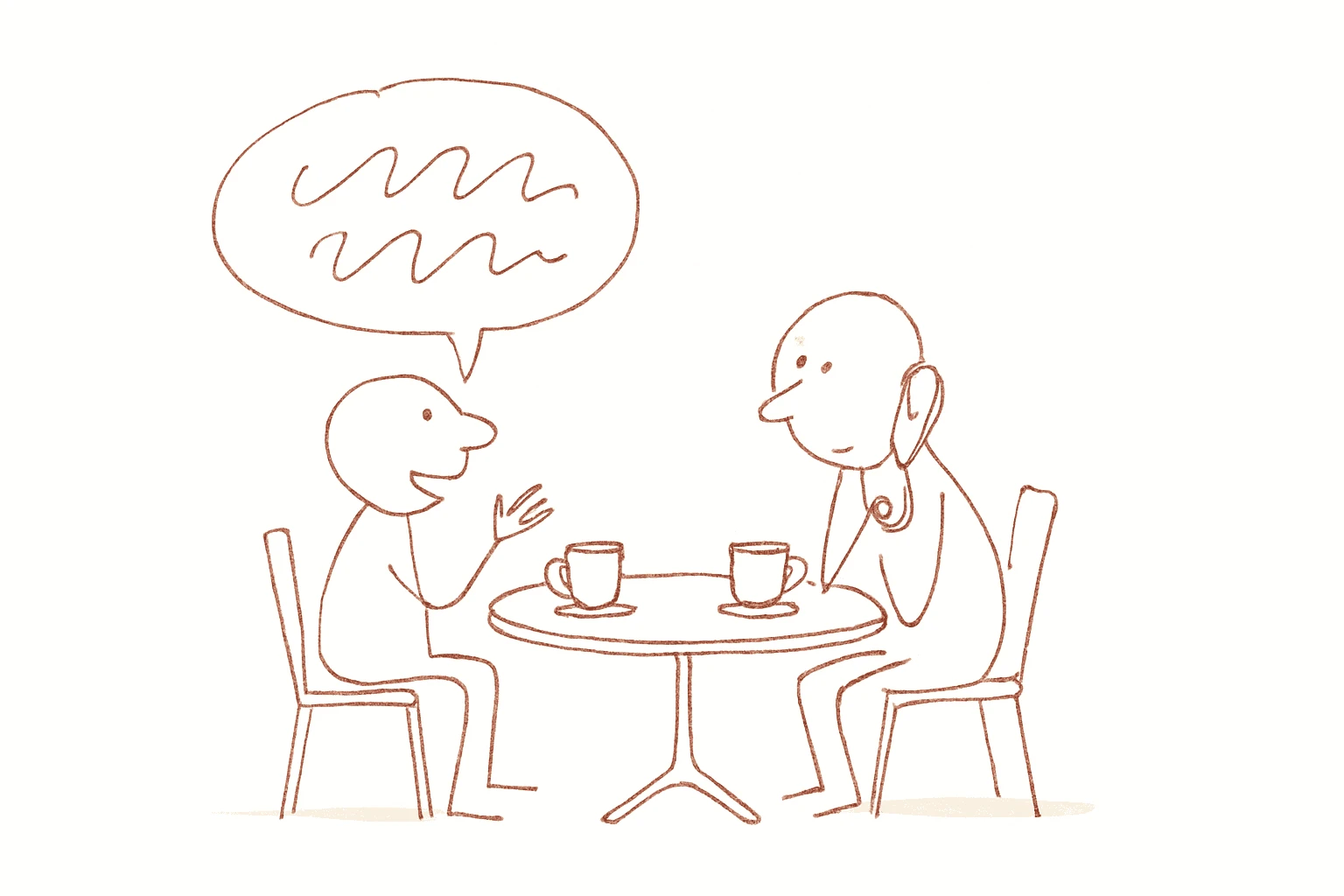
Which Spanish learning program fits your goal
| If you… | Pick | Why |
|---|---|---|
| can read Spanish but lose real conversations | Spanish with Alejandra | Native-speed dialogues twice a week, with the transcript and notes underneath |
| finished an app course and know the basics (A2) | Spanish with Alejandra | 🐢 Despacito slow audio, transcripts and translations make real dialogues workable at A2 |
| understand your teacher but not native speakers | Spanish with Alejandra | Real spoken Spanish at the speed people really talk |
| want the news in Spanish | News in Slow Spanish | Weekly, level-matched news, in a Latin American or Spain version |
| want a little Spanish every day | Hoy Hablamos | Six episodes a week; transcripts with Premium at $95 a year |
| can give an hour a day and hate drills | Dreaming Spanish | Graded video in seven levels, with your hours tracked |
| are a total beginner | Coffee Break Spanish Season 1 | Built for day one, in English; move to real dialogues at A2 |
Still deciding between Latin American and Spain Spanish? Spain vs Latin American Spanish sets out the real differences, and they're smaller than Reddit makes them sound. For a sense of the hours involved, see how long it takes to learn Spanish. Comparing narrower options? See the best Spanish audio lessons, the best Spanish lessons for beginners online and our Dreaming Spanish review.
What you get in your first month
Here is exactly what a month of Spanish with Alejandra contains, counted from the lesson plan.
At two lessons a week, that is about eight lessons: eight dialogues at native speed and in 🐢 Despacito, each with a transcript and notes; 16 exercises with answers; eight writing prompts; and one 🌡️ Monthly Level Test. The first lesson's audio episode runs 2 minutes 49 seconds, so expect about three minutes of conversation per lesson, played as many times as you like. For more listening between lessons, see Spanish listening practice.
The map of how it all fits together, and which free lessons to start with, is on the Start Here page.
FAQ
What is the best program to learn Spanish as an adult?
The one that fixes your gap. If you're past the very first basics and can read Spanish but lose real conversations, it's Spanish with Alejandra, our #1. For the news, News in Slow Spanish; for a cheap daily habit, Hoy Hablamos; for graded video, Dreaming Spanish; and for a patient teacher explaining in English, Coffee Break Spanish.
What level do I need to start Spanish with Alejandra?
A2 and up: you're past the very first basics, and the lessons carry you all the way through intermediate. 🐢 Despacito slow audio, transcripts and translations make them work at A2; native-speed audio stretches B1 to C1. Not sure where you are? The two-minute level test tells you.
What is the best way to learn Spanish for beginners?
It depends which kind of beginner. On day one, with no Spanish at all, start with something built for zero, such as Coffee Break Spanish Season 1 or one of the apps in the directory linked above. Once you know the basics (A2), add real conversations: 🐢 Despacito slow audio, transcripts and translations in Spanish with Alejandra are built for that stage, and they carry you through intermediate.
How much does a Spanish learning program cost?
On this list, from $95 a year for Hoy Hablamos Premium to about $311 a year for News in Slow Spanish, checked on 14 October 2026. Spanish with Alejandra is $240 a year, 30% off right now, with a 7-day free trial and a 30-day money-back guarantee.
What kind of Spanish do you teach?
Spanish understood everywhere, with tú, not vos. Each lesson ends with one local twist from a rotating country, Spain included.
How does the 7-day free trial work?
You start it from our start page, which hands you to Substack, and you get every paid lesson for seven days. Cancel from your Substack settings before the trial ends and you are not charged.
Can I learn Spanish with audio only?
Yes, especially from A2 up, as long as every audio comes with a transcript you can check afterwards. Hoy Hablamos and Spanish with Alejandra both work well on a commute; add a little reading for spelling and grammar.
Try Spanish with Alejandra free for 7 days
If your reading is ahead of your listening, this program was built for you. Every lesson is a real conversation, with native-speed audio, a slow version and a transcript. Two full lessons arrive each week, and the lesson library is open from the first day. The trial is 7 days, and paid plans carry a 30-day money-back guarantee. A week tells you whether it works for your ear.
When you're ready, start your 7-day free trial. If you'd rather begin with something free, take the two-minute Spanish level test and find out exactly where you stand today.
From the team behind French with Amélie: 33,000+ learners.