

¡Claro!
¡Claro! means “of course” or “sure”, and in conversation also “right, I see”. Literally, claro is “clear” or “light”. Claro que sí makes it a warm “absolutely”; claro que no is “of course not”. It's neutral and used in every Spanish-speaking country, but a flat claro to an obvious question can sound like “obviously”.
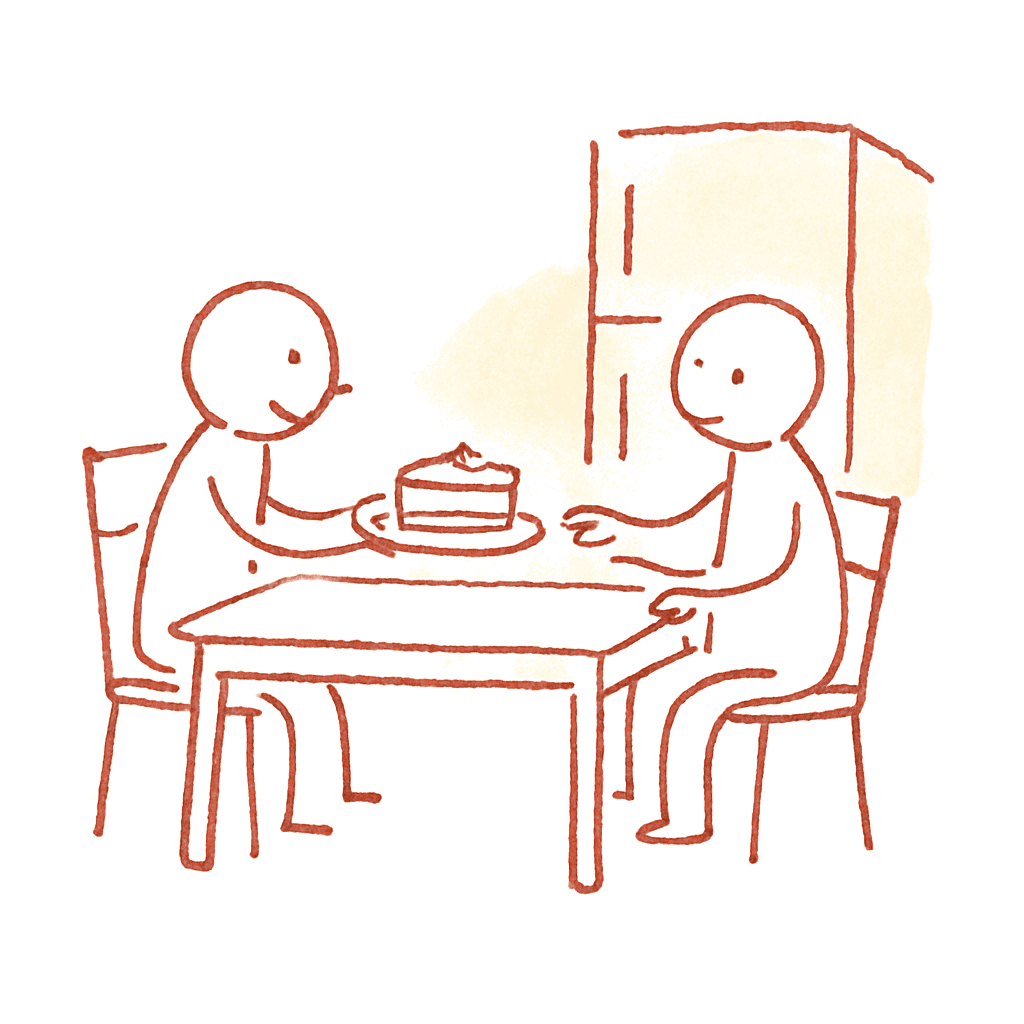

Where you'll hear it
Sofía
¿Me ayudas con la presentación?
Can you help me with the presentation?
Mateo
¡Claro! ¿A qué hora es?
Of course. What time is it?

How it shows up
Not the ¡Claro! you were looking for?
As an adjective, claro is “clear” or “light”: agua clara (“clear water”), azul claro (“light blue”). ¿Está claro? means “is that clear?”, and dejar claro is “to make clear”.
Register and sound
Neutral: fine with anyone. Tone matters: ¡claro! with a smile is “of course”; a flat claro after an obvious question means “obviously”; claro, claro with raised eyebrows means “sure, I believe you” when you don't.
KLAH-roh, stress on KLA. The r is a single quick tap, like the tt in American “butter”.
🤷 Depende del País
Claro is understood and used everywhere. What changes is the word people put next to it.
Everywhere
¡Claro! and claro que sí are standard from Mexico to Argentina, and in Spain.
Mexico
¡Cómo no! is a common warm alternative for “of course”.
Colombia
Claro que sí is everywhere, and de una for “sure, right away”.
Argentina
We say claro, claro all the time while someone talks: “right, I'm with you”. For “sure”, also dale.
Spain
Claro, plus vale for “OK”.
Questions people ask
What does claro que sí mean?
“Of course” or “absolutely”: a warm, emphatic yes. ¿Vienes a mi fiesta? Claro que sí. (“Are you coming to my party? Of course.”)
What does claro que no mean?
“Of course not”. Polite when it answers “do you mind?”: ¿Te molesta? Claro que no. Firm when it answers a bad idea.
Is claro rude?
No. It's only rude by tone: a flat claro to a question with an obvious answer sounds like “obviously”. Claro que sí is always warm.
What is the difference between claro and por supuesto?
Same meaning. Claro is everyday; por supuesto is a touch more formal and emphatic. Both work in every country.
What does claro, claro mean?
In conversation, “right, right”: you're following. With a raised eyebrow, it's “sure, sure”, meaning you don't believe a word.
