

Pues
Pues means “well”, “so” or “then”. It's the Spanish word for starting an answer you're still thinking about: pues… no sé (“well… I don't know”). It also adds emphasis (pues sí: “well, yes, obviously”) and links a consequence. You'll hear it constantly in Mexico, Colombia and Spain, and in shrunken forms elsewhere.
How people really use it
A question that needs a second to answer.
- Andrés
¿Te gustó la película?
Did you like the film?
- Sofía
Pues… la verdad, no mucho.
Well… honestly, not much.
Stating the obvious.
- Mateo
¿Vas a venir a mi cumpleaños?
Are you coming to my birthday?
- Valentina
¡Pues claro!
Well, of course!
Turning a complaint into a plan.
- Lucía
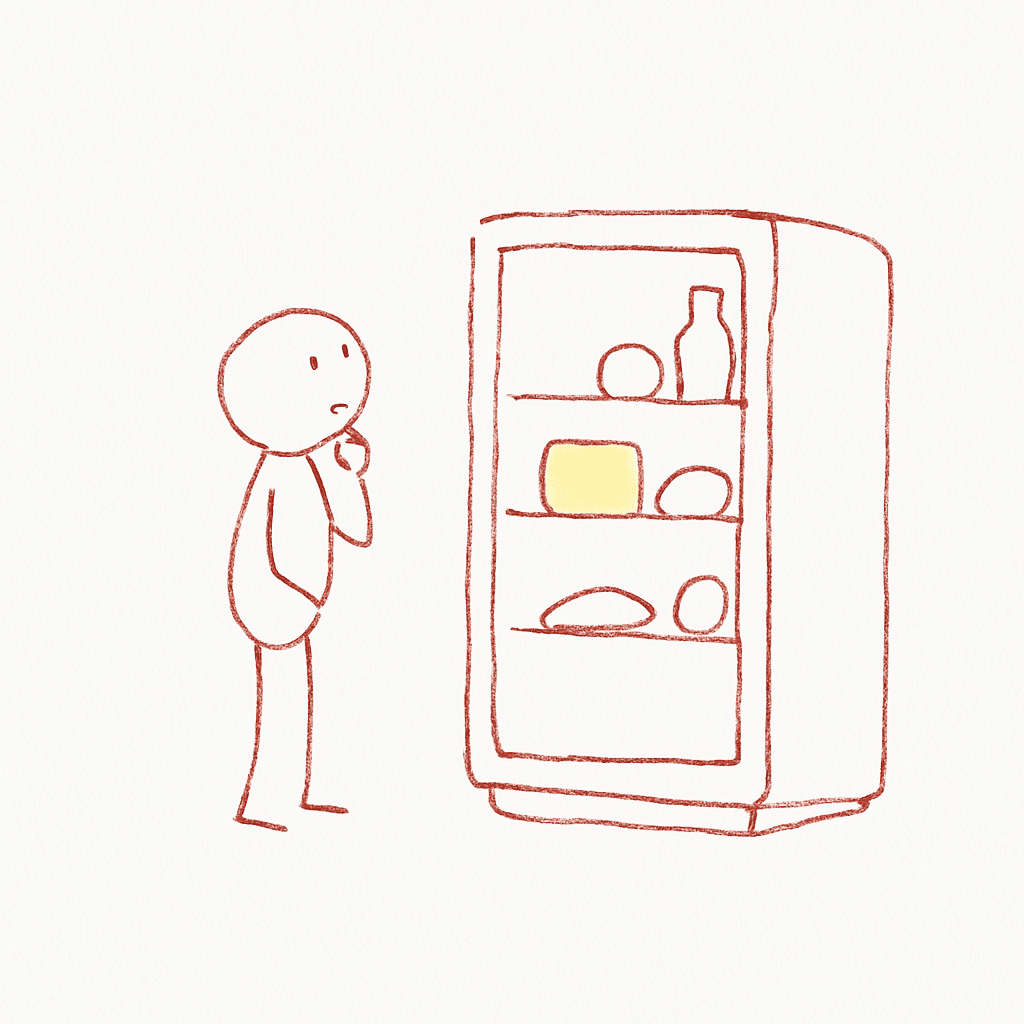
Tengo hambre y no hay nada en el refrigerador.
I'm hungry and there's nothing in the fridge.
- Diego
Pues pedimos algo.
Then let's order something.
🤷 Depende del País
Pues is everywhere, but it's the filler that changes shape most from country to country.
- 🇲🇽 Mexico: Pues sí, pues no, pues quién sabe. In relaxed speech it can sound like pos or ps.
- 🇨🇴 Colombia: At the end of a sentence, especially in Medellín: hágale pues (“go on, then”).
- 🇨🇱 Chile: Shrinks to po at the end: sí po (“yeah, obviously”), ya po (“come on”).
- 🇵🇪 Peru: Shrinks to pe: ya pe (“come on, then”).
- 🇪🇸 Spain: Pues nada (“so, anyway”) to wrap things up.
Register and sound
Register. Neutral and spoken. Fine with anyone. In formal writing, pues as a filler disappears; use así que (“so”) or por lo tanto (“therefore”) instead.
Sounds like. PWESS, one syllable. Often reduced in fast speech: “pes”, “pos”, “ps”.
Questions people ask
Is pues a filler word?
Yes, one of the most common. As a filler it means “well…” and buys time before an answer. It also has real jobs: emphasis (pues sí) and consequence (“so”, “then”).
Why do Chileans say po?
Po is pues worn down by fast speech. Sí po means “yeah, of course”, and po can follow almost anything: no po, ya po.
What does pues nada mean?
“So, anyway” or “oh well”, used to wrap up or move on. It's very common in Spain: pues nada, nos vemos mañana (“anyway, see you tomorrow”).
How good is your Spanish, really? Two minutes, real audio, and a level at the end.
In this cluster
- All Spanish phrases
- Spanish Filler Words: Pues, Este, O Sea and 12 More
- Spanish Conversation Questions: 30 With Natural Answers
- Entonces (So / Then / So what now?)
- Bueno (Well… / OK / Right then)
- Ni modo (Oh well / Too bad / Nothing to be done (Mexico))